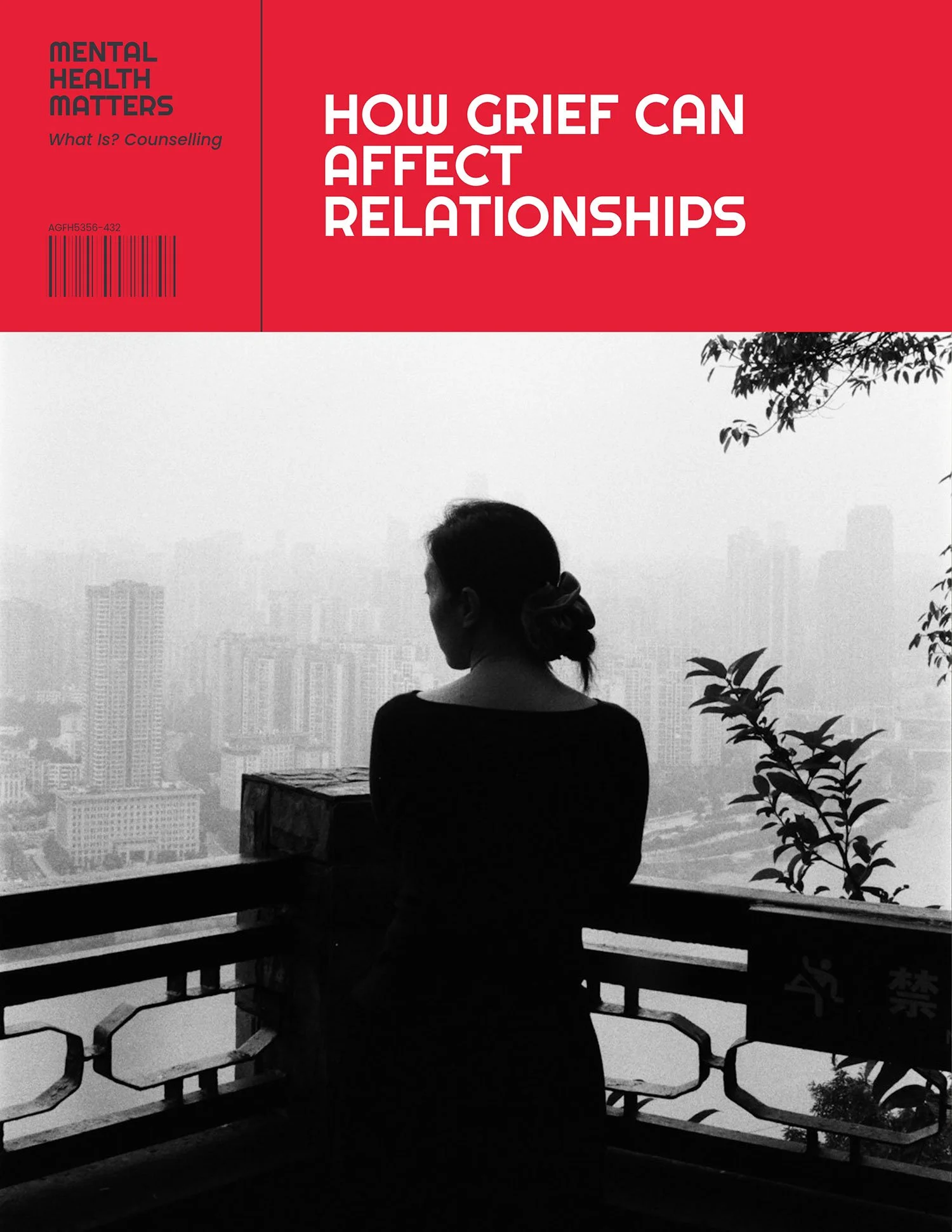
When someone important to us dies, the experience of grief can affect far more than how we feel about losing that person. It can also change how we relate to the people who are still part of our lives.
Perhaps you've noticed that you're becoming more withdrawn, finding it harder to communicate with people close to you, or feeling frustrated when others don't seem to understand what you're going through. Maybe relationships that once felt straightforward now seem more complicated, or you find yourself feeling distant from people you would normally turn to for support.
Grief can affect relationships in many different ways. It can change how much emotional energy we have available, influence how we communicate and create differences between people who are experiencing the same loss.
Sometimes, even those closest to us can struggle to understand what the other person is feeling.
If you're finding that your relationships feel different after a bereavement, it doesn't necessarily mean something is wrong with them. You may be trying to navigate a difficult experience while also adjusting to changes in the people and circumstances around you.
Understanding some of the ways grief can affect relationships may help you make sense of what you're experiencing.
There are many ways to grieve and many experiences in life to grieve over. I’ve written more about the different kinds of grief and grieving here if you’d like to take a look.
Why does grief affect relationships?
Grief is often thought of as something we experience individually, but losing someone can affect an entire network of relationships.
When someone dies, the people around them may all be adjusting to a different kind of absence. Family roles can change, routines may be disrupted, and relationships that were once organised around a particular person can suddenly feel unfamiliar.
At the same time, everyone has their own relationship with the person who died. Even when people are grieving the same individual, their memories, experiences and emotional responses may be very different.
This can create situations where people who would normally support one another find it difficult to understand each other's reactions.
You might want to talk about the person who has died, while someone else prefers to avoid the subject. You might feel the need for company, while another person needs time alone.
Neither response necessarily means that one person cares more than the other. It may simply reflect different ways of experiencing and responding to loss.
Why do I feel distant from people after someone dies?
One of the ways grief can affect relationships is by changing how connected we feel to other people.
You might find yourself withdrawing from social situations, responding less frequently to messages or struggling to find the energy to maintain relationships in the way you once did.
Even spending time with people you care about might feel difficult.
Sometimes this happens because so much emotional energy is being taken up by the experience of loss. Ordinary conversations and everyday activities can feel demanding when your thoughts are elsewhere.
You might also feel that other people don't really understand what you're going through, particularly if they haven't experienced a similar loss.
There can be a sense of being surrounded by people while still feeling quite alone.
For some people, withdrawing offers a little breathing space. For others, it can gradually create a feeling of isolation that becomes difficult to navigate. In my experience, for many people, grief can come in waves which often feel different each time.
If you're experiencing this, it may be worth recognising that feeling distant from others doesn't necessarily mean you've stopped valuing those relationships. Your emotional needs may simply be different at the moment.
When people grieve differently
It can be particularly difficult when two people are grieving the same person but seem to be experiencing that loss in very different ways.
Perhaps one person wants to talk about their memories, while another finds these conversations upsetting. Someone might return to their usual routine relatively quickly, while another struggles with everyday activities.
You might find yourself wondering why someone else doesn't seem as affected as you are, or feel frustrated that they aren't responding in the way you would expect.
Equally, you might feel uncomfortable when someone questions how you're grieving or suggests that you should be coping differently.
These differences can sometimes create tension, particularly within families or close relationships.
It's worth remembering that we don't always see what another person is experiencing internally. Someone who appears to be coping well might still be carrying considerable sadness, just as someone who talks openly about their grief isn't necessarily finding it easier.
There isn't one way to grieve, and differences in how people respond to loss don't automatically reflect how much the person meant to them.
Sometimes allowing space for those differences, without expecting everyone to experience grief in the same way, can help reduce some of the pressure within relationships.
Why might I feel frustrated or angry with people close to me?
Grief can bring emotions that are difficult to understand, and sometimes those feelings find their way into our closest relationships. It’s not uncommon to feel some kind of guilt after someone dies and this can have an impact on our other relationships too.
You might find yourself becoming irritated by things that wouldn't normally bother you, feeling less patient with family members or reacting more strongly to everyday disagreements.
Perhaps someone makes a comment that feels insensitive, or you become frustrated when people seem to have returned to normal life while you're still struggling with the loss.
Sometimes anger is connected to the circumstances surrounding the death. At other times, it may reflect exhaustion, disappointment or the feeling that other people aren't recognising how difficult things have become.
These experiences can be particularly confusing when they're directed towards people you love.
You might find yourself feeling guilty afterwards, wondering why you reacted in a particular way or whether you're becoming someone you don't recognise.
It may help to consider that grief can affect how much emotional capacity we have available. Things that once felt manageable may become harder when we're already carrying a great deal.
This doesn't mean that difficult interactions don't matter, but understanding the wider context can sometimes make them easier to explore.
When relationships become complicated after a bereavement
Not every relationship is straightforward, and losing someone can sometimes bring existing difficulties into sharper focus.
Perhaps there were disagreements within the family before the death, unresolved tensions or different expectations about caring responsibilities.
There may be disagreements about practical matters, memories of what happened or how decisions were made.
Sometimes the death itself can change family dynamics. A person who once brought everyone together is no longer there, or relationships that were previously maintained through that person begin to feel different.
You might also experience difficult feelings towards someone who seems to have coped differently, or feel that you've been left carrying responsibilities that others don't fully recognise.
These situations can be particularly painful because they combine the experience of loss with the challenges of navigating relationships that may already have been complicated.
You don't have to pretend that everything is fine simply because everyone is grieving. It is possible to acknowledge your own feelings about a relationship while also recognising that other people may be struggling in their own ways.
How can I maintain relationships while grieving?
There isn't a formula for maintaining relationships during grief, particularly when your emotional needs and circumstances may be changing.
However, there are a few things that might be helpful to consider.
Allow yourself to have different needs.
You might need more time alone than you did previously, or find that you want to spend more time with particular people. You don't have to maintain exactly the same routines or social commitments while you're grieving.
Try to communicate when you can.
Sometimes people close to us may not realise what we're experiencing or understand what we need. You might find it helpful to explain that you're struggling, even if you don't have the words to describe everything.
Make room for differences.
If someone close to you grieves differently, it can be helpful to recognise that their response doesn't necessarily reflect how much they cared about the person who died. You don't have to agree about everything to acknowledge that you're both experiencing loss.
Recognise when you need some space.
There may be times when particular conversations or interactions feel overwhelming. Taking a little space doesn't necessarily mean that you're rejecting someone or that the relationship is no longer important.
These are possibilities rather than expectations. Relationships can take time to adjust following a bereavement, and you don't have to resolve every difficulty immediately.
Relationships can change, and that can be difficult
Losing someone important can change the way we experience the people who remain in our lives. Relationships may feel closer in some ways and more distant in others. There may be misunderstandings, differences in how people grieve or feelings that are difficult to put into words.
You might not be able to return to the way things were, and some relationships may need time and understanding to find a different shape.
If you're finding relationships difficult following a bereavement, it doesn't mean you're failing to cope or that you should be feeling differently.
Sometimes recognising that grief affects more than just our feelings about the person who died can be an important part of understanding what we're going through.
When might it help to talk to a counsellor?
Sometimes the effects of grief on our relationships can become difficult to navigate alone.
You might feel increasingly isolated, find yourself caught in repeated disagreements or struggle to explain what you're experiencing to the people closest to you.
Perhaps you feel that you have to hide certain emotions because you're worried about upsetting others, or that nobody quite understands the experience you're going through.
Counselling can offer a space to explore these feelings without having to manage someone else's reactions at the same time.
You might want to talk about changes in your relationships, feelings of anger or frustration, or the difficulty of adjusting to life after losing someone.
There isn't a particular point when you should seek support, and you don't need to have a clear idea of what you want to talk about before beginning.
If you'd like to understand more about the different ways grief can affect us, you can also visit my page about grief and loss.
Grief counselling with James Pearson
I'm James Pearson, an integrative counsellor offering a warm, thoughtful and non-judgemental space to explore difficult experiences.
Grief can affect how we see ourselves, how we relate to others and how we experience everyday life. Sometimes it can be helpful to have somewhere to explore these changes, particularly when feelings have become difficult to share with the people around us.
In counselling, there is space to talk about your experiences at your own pace, without pressure to feel a particular way or reach a particular conclusion.
I offer in-person counselling in Denholme, as well as online counselling across the UK.
If you would like a space to talk about grief and the impact it is having on your relationships, you're welcome to arrange a free 15-minute introductory chat. We can discuss what you're looking for and whether working together feels like a good fit.
If you’d like somewhere to talk about the loss and how it’s affecting you, I offer counselling in the following locations:
In Denholme, just outside of Bradford…
and Sowerby Bridge on the outskirts of Halifax, and online across the UK. We can explore what feels important to you, at a pace that feels manageable.
Frequently asked questions about guilt after someone dies
-
Grief can change how you experience yourself and interact with other people. You might become quieter, more withdrawn, irritable or less interested in things you previously enjoyed. These changes don't necessarily mean your personality has fundamentally changed; they may reflect the emotional demands of adjusting to a significant loss.
-
Grief is a personal experience, and even people who have lost the same person can respond very differently. You might find that others don't understand the significance of your loss or that their expectations of how you should be coping don't match your experience. This can leave you feeling isolated, even when people are trying to support you.
-
Losing someone can change family roles, responsibilities and routines. It can also bring existing disagreements or unresolved tensions into sharper focus. Family members may have different memories of the person who died and different ways of responding to the loss, which can sometimes create misunderstandings or conflict.
-
Yes. Some people find that spending time alone gives them space to process their feelings without having to explain themselves or respond to other people's expectations. However, if you find yourself becoming increasingly isolated, you might benefit from having someone you feel comfortable talking to, even if you aren't ready to discuss everything.
-
Grief can place additional pressure on relationships. Differences in how people grieve, increased emotional sensitivity, exhaustion and disagreements about practical matters can sometimes lead to conflict. This doesn't necessarily mean a relationship cannot recover, although it may take time, understanding and communication to work through difficulties.
Further Reading
If you'd like to explore some of the topics discussed in this article in more depth, the following pages may also be helpful.
Grief Counselling
Why Does Grief Come in Waves?
Why Do I Feel Numb All The Time?