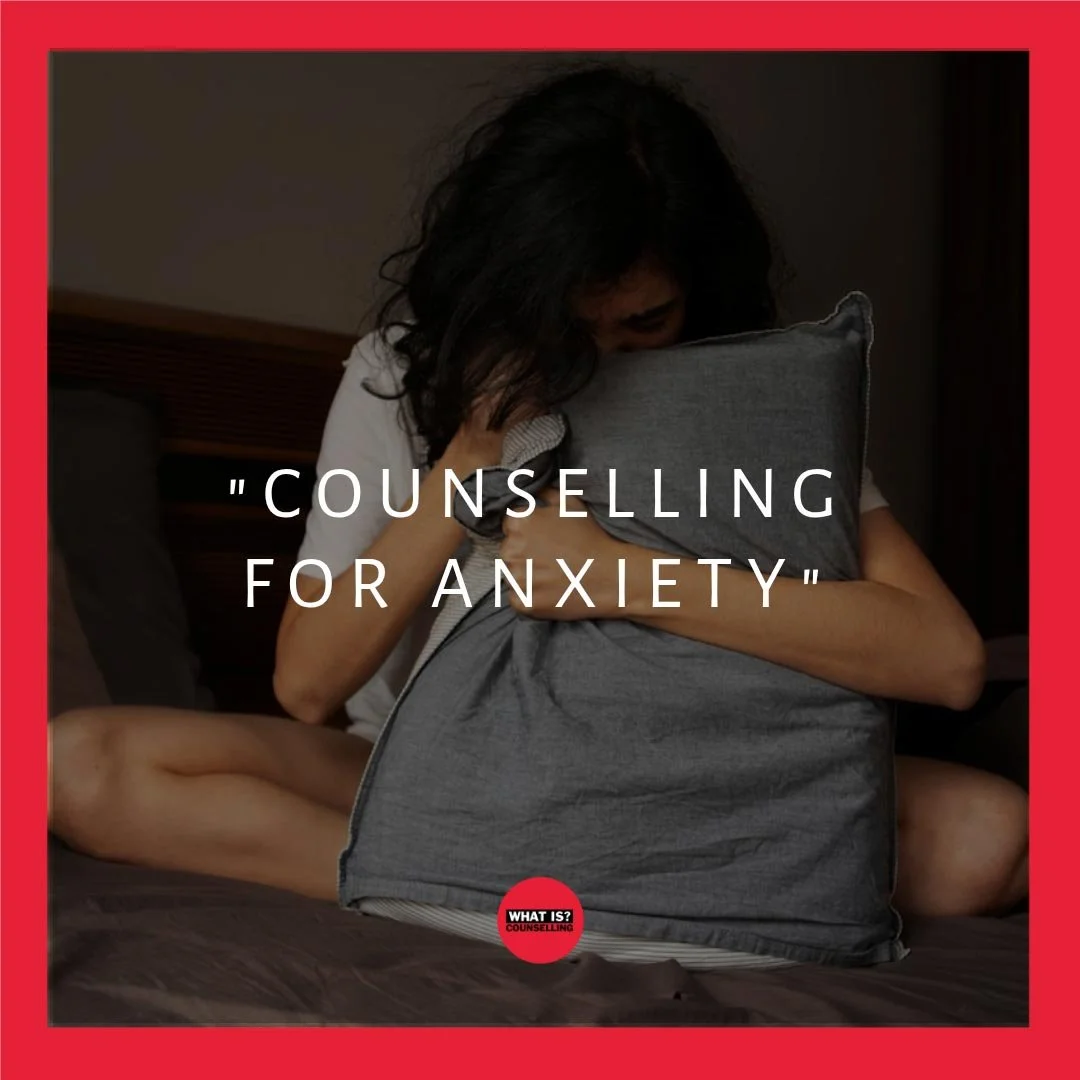
Anxiety Counselling
Bingley, Bradford, Sowerby Bridge and Halifax

Jump to any section:
What is Anxiety?
How Can Anxiety Counselling Help?
What Does Anxiety Feel Like?
Why Do I Feel Anxious All The Time?
Can Counselling Really Help Anxiety?
What Happens in Anxiety Counselling Sessions?
Common Reasons People Seek Anxiety Counselling
Where I offer anxiety counselling
Frequently asked questions about anxiety counselling
A Person-Centred Approach to Anxiety Counselling
Counselling Client Reviews
Professional Memberships, Affiliations and Accreditations
Key Takeaways
Conclusion and Next Steps
Anxiety can be exhausting. It can leave you constantly overthinking, replaying conversations, expecting the worst, or feeling unable to properly relax even when life appears calm on the surface. For some people, anxiety shows up as panic, dread or racing thoughts. For others, it can feel more physical — a tight chest, restlessness, poor sleep, irritability, or a sense of always being “on edge”.
Over time, living with anxiety can become draining. You may find yourself constantly scanning for problems, struggling to switch off, or feeling overwhelmed by thoughts and emotions that seem difficult to control. It can also begin to affect relationships, confidence, work, and the way you feel about yourself.
From a person-centred perspective, anxiety is not seen as weakness or failure. Often, anxiety develops for understandable reasons and can be connected to stress, pressure, uncertainty, past experiences, or feeling emotionally unsafe or overwhelmed for long periods of time.
Counselling offers a calm, supportive and confidential space where you can begin to explore what may be happening beneath the anxiety, at your own pace and without judgement. Rather than trying to simply “get rid” of anxiety, therapy can help you better understand your thoughts, feelings and experiences, and gradually develop a different relationship with them.
I've often found that anxiety forms at least part of many clients' experiences, whatever has brought them to counselling. Life inevitably presents us with difficult decisions, uncertainty and change, and anxiety can make those moments feel far bigger than they really are. Rather than helping us move forward, it often encourages us to avoid difficult conversations, postpone decisions or reassure ourselves that "I'm OK... really", even when it doesn't feel that way.
Many of my clients describe anxiety as a constant stream of "what if...?" thoughts. As we begin to slow those thoughts down and explore them in more detail, they often become less overwhelming. Clients frequently tell me that giving those worries shape and putting words to them helps reduce their intensity, creating more space to approach decisions that once felt impossible with greater clarity and confidence.
What is Anxiety?
Anxiety is a natural human response to stress, uncertainty or feeling unsafe. In many ways, it is the mind and body’s attempt to protect us from harm. Most people will experience anxiety at certain points in life — before difficult conversations, major changes, challenges, or periods of pressure and uncertainty.
However, anxiety can become overwhelming when it begins to feel constant, disproportionate, or difficult to switch off. What may have once been an occasional feeling of worry can gradually become something that affects everyday life, relationships, sleep, confidence and emotional wellbeing.
Anxiety can affect both the mind and body. Some people experience racing thoughts, constant overthinking or a sense of dread that they can’t fully explain. Others may notice physical symptoms such as a tight chest, restlessness, tension, irritability, difficulty concentrating or trouble sleeping. It can also leave people feeling emotionally exhausted, overwhelmed, or avoiding situations that feel stressful or uncertain.
At times, anxiety can feel as though the mind and body are stuck in a constant state of alertness — often described as a “fight or flight” response. Even when there is no immediate danger, the nervous system can continue reacting as though something is wrong or needs to be anticipated.
Often anxiety makes sense within the context of a person’s experiences, relationships, pressures and emotional world. Rather than simply trying to suppress anxiety, counselling can help create a deeper understanding of what may be contributing to it and what your thoughts and feelings may be trying to communicate.
Anxiety can also overlap with experiences such as low mood, anger, relationship difficulties or emotional overwhelm. You may therefore also find it helpful to read more about depression counselling, anger counselling, or relationship counselling.
How Can Anxiety Counselling Help?
When living with anxiety, it can sometimes feel as though your mind is constantly moving — analysing, anticipating, worrying or trying to stay one step ahead of possible problems. Over time, this can become exhausting, leaving very little space to simply slow down and understand what you’re actually feeling beneath the anxiety itself.
Counselling offers a calm, supportive and non-judgemental space where you can begin to explore your experience more openly. Rather than being told what you “should” think or feel, person-centred counselling creates the opportunity to feel deeply heard, understood and accepted as you are.
From a person-centred perspective, anxiety is not something “wrong” with you. Often, anxiety can be understood as a response to feeling emotionally unsafe, overwhelmed, pressured, disconnected from yourself, or unable to fully express what you are carrying internally. In this sense, anxiety is often meaningful — even if it feels distressing.
Rather than simply trying to “eliminate” anxiety, counselling can help you gradually develop a different relationship with it. As understanding and self-awareness grow, many people begin to feel less controlled by anxious thoughts and more connected to themselves, their emotions and their needs.
Counselling for anxiety may help you to:
Better understand what triggers your anxiety
Explore the thoughts, fears or pressures beneath the worry
Recognise patterns in relationships or everyday life
Understand how anxiety affects both your mind and body
Develop healthier and calmer ways of responding to difficult emotions
Feel less alone, overwhelmed or emotionally stuck
Build greater self-awareness, self-acceptance and emotional clarity
Sometimes, simply having the space to slow down and speak honestly — without judgement, pressure or expectation — can begin to reduce the intensity of anxiety itself.
What Does Anxiety Feel Like?
Anxiety can affect people in very different ways. For some, it feels loud and intense. For others, it can feel quieter but constant — an ongoing sense of worry, tension or emotional exhaustion that rarely fully settles.
Often, people living with anxiety describe feeling as though their mind and body are always “on alert”, even when there is no obvious reason why. Over time, this can become deeply draining and may begin to affect confidence, relationships, sleep, work and everyday life.
Constant Overthinking
Anxiety can leave you stuck in cycles of overthinking — replaying conversations, imagining worst-case scenarios, questioning decisions or worrying about things that haven’t happened yet. Even small situations can begin to feel mentally exhausting when the mind struggles to switch off.
Feeling On Edge
Many people with anxiety describe feeling constantly tense, restless or emotionally “on edge”. It can feel difficult to fully relax, even during quiet moments or when trying to rest. Some people notice themselves becoming more irritable, emotionally sensitive or easily overwhelmed.
Panic or Sudden Fear
For some people, anxiety can feel sudden and intense. Panic may bring a racing heart, dizziness, shortness of breath, shaking or a feeling of losing control. These experiences can feel frightening and confusing, particularly when they seem to appear unexpectedly.
Physical Symptoms of Anxiety
Anxiety is not only experienced in the mind — it can also affect the body. People may experience tightness in the chest, muscle tension, headaches, fatigue, stomach discomfort, difficulty sleeping or a sense of physical unease that is difficult to fully explain.
Social Anxiety and Fear of Judgement
Anxiety can make social situations feel emotionally unsafe or overwhelming. You may find yourself worrying excessively about how others see you, fearing embarrassment, or replaying interactions afterwards and criticising yourself. Over time, this can lead to avoidance, isolation or feeling disconnected from others.
Health Anxiety
Some people experience ongoing worry about their physical health, becoming highly aware of bodily sensations or fearing that symptoms may mean something serious. This can create cycles of checking, reassurance-seeking or heightened fear that become difficult to break away from.
Struggling to Relax
One of the most exhausting parts of anxiety is that it can make genuine rest feel difficult. Even during quiet moments, the mind may continue scanning for problems, responsibilities or possible threats. Many people describe feeling mentally “busy” all the time, as though they are never fully able to switch off.
Although anxiety can feel overwhelming, these experiences are more common than many people realise. Counselling can provide a calm and supportive space to explore these thoughts, feelings and patterns more deeply, without judgement or pressure.
Panic Attacks
Panic attacks can feel sudden, intense and frightening. Many people describe experiencing a racing heart, dizziness, shaking, tightness in the chest, shortness of breath or a feeling that something terrible is about to happen. In those moments, it can feel as though the mind and body have gone into a state of complete overwhelm.
For some people, panic attacks seem to come “out of nowhere”, while for others they may develop during periods of ongoing stress, pressure or emotional exhaustion. The fear of experiencing another panic attack can itself begin to create further anxiety, leading some people to avoid certain places, situations or experiences where they fear panic may happen again.
Although panic attacks can feel deeply distressing, they are often connected to the nervous system becoming overwhelmed or stuck in a heightened state of alertness for long periods of time.
Counselling can provide a calm and supportive space to explore these experiences more gently, helping you better understand what may be contributing to the panic and develop a less fearful relationship with the anxiety surrounding it.
Why Do I Feel Anxious All The Time?
When anxiety becomes constant, many people begin to wonder why they feel this way or why they cannot simply “switch it off”. This can often lead to frustration, self-criticism or feeling as though something is wrong with them.
From a person-centred perspective, anxiety often makes sense when we slow down enough to understand what your mind and body have been trying to cope with. Anxiety is rarely random. More often, it develops gradually in response to stress, pressure, emotional pain, uncertainty or feeling unsafe for long periods of time.
For some people, anxiety can be connected to ongoing stress and overwhelm. Constant responsibilities, emotional pressure, work stress or caring for others can leave the nervous system feeling permanently alert and exhausted.
For others, anxiety may be linked to earlier life experiences or relationships. Growing up in environments where emotions felt unsafe, unpredictable or unsupported can sometimes lead people to become highly alert to conflict, rejection, criticism or disappointment later in life. Over time, this can create patterns of overthinking, people-pleasing or constantly anticipating problems.
Anxiety can also develop during periods of burnout, major life changes, loss or uncertainty. Even positive changes in life can sometimes create emotional pressure that feels difficult to process. When emotions remain unspoken or unprocessed for long periods of time, anxiety can become one of the ways the mind and body express distress.
Many people living with anxiety also place enormous pressure on themselves. High expectations, fear of failure, difficulty slowing down or feeling responsible for everyone else’s wellbeing can all contribute to a persistent sense of tension and worry.
Sometimes, anxiety is less about one specific event and more about carrying too much internally for too long without enough emotional safety, support or space to properly process it.
Counselling offers the opportunity to gently explore these experiences and patterns in a safe, supportive environment. Over time, many people begin to better understand not only their anxiety itself, but also the emotional needs, fears and experiences that may sit beneath it.
Can Counselling Really Help Anxiety?
Many people who begin counselling for anxiety arrive feeling exhausted, overwhelmed or unsure whether things can genuinely change. Anxiety can become so familiar over time that it may start to feel like a permanent part of life.
While counselling is not usually about finding a quick “fix” or completely eliminating anxiety, many people do experience meaningful relief and positive change through the process of being heard, understood and supported.
Often, the first major shift is simply no longer feeling alone with it.
Having a calm and confidential space to speak openly about what you are experiencing can gradually reduce some of the pressure, fear and emotional isolation that anxiety often creates. For many people, counselling helps bring a deeper understanding of the thoughts, feelings and experiences beneath the anxiety itself.
As self-awareness grows, people often begin to notice changes such as:
Feeling calmer, more grounded and emotionally settled
Understanding anxious thoughts and patterns more clearly
Feeling less controlled by worry or fear
Becoming more confident in themselves and their decisions
Developing healthier ways of responding to difficult emotions
Improving communication and relationships with others
Feeling more connected to themselves and their needs
Experiencing less fear of anxiety itself
One of the difficulties with anxiety is that it can create fear around the experience of anxiety itself — leading people to constantly monitor, avoid or fight against their own thoughts and feelings. Counselling can help create a different relationship with these experiences, one based more on understanding, self-awareness and self-acceptance rather than fear or self-criticism.
Change within counselling is often gradual and personal. Rather than forcing solutions, the process allows space for deeper understanding, emotional clarity and a greater sense of safety within yourself. Over time, many people find that anxiety begins to feel less overwhelming and more manageable as they better understand what may be contributing to it.
What Happens in Anxiety Counselling Sessions?
Anxiety counselling sessions provide a calm, confidential and supportive space where you can speak openly about what you are experiencing, without fear of judgement or pressure. Sessions move at your pace and there is no expectation to talk about anything before you feel ready.
As a person-centred counsellor, I do not believe in forcing solutions or following a rigid structure. Instead, counselling is a collaborative process where we gradually explore whatever feels important, difficult or emotionally present for you in the moment.
For many people, anxiety can leave thoughts and feelings feeling tangled, overwhelming or difficult to fully make sense of alone. Counselling can sometimes feel a little like gradually piecing together parts of a jigsaw — noticing patterns, emotions, fears or experiences that may not have fully connected before.
Over time, this process can help bring greater clarity, self-understanding and emotional awareness. Many people begin to feel calmer, more grounded and less overwhelmed as they develop a deeper understanding of themselves and their anxiety.
Within anxiety counselling sessions, we may explore:
Thoughts, feelings or situations that trigger anxiety
Patterns within relationships or everyday life
Emotional pressures, fears or expectations you may be carrying
The impact anxiety has on your confidence, wellbeing or sense of self
Ways anxiety may affect both your mind and body
Difficult experiences or emotions that may feel unresolved
There is no “right” way to approach counselling. Some sessions may involve exploring current difficulties, while others may focus on deeper feelings, past experiences or recurring patterns that gradually emerge through conversation.
Many people find that simply having the space to slow down, reflect and feel genuinely heard can itself become an important part of the healing process.
Common Reasons People Seek Anxiety Counselling
People seek anxiety counselling for many different reasons. For some, anxiety feels constant and overwhelming. For others, it may appear in specific situations, relationships or periods of stress and uncertainty. Often, people come to counselling simply because they feel exhausted from carrying so much internally for so long.
Some common reasons people seek counselling for anxiety include:
Constant worry, overthinking or difficulty switching off
Panic attacks or sudden feelings of fear and overwhelm
Social anxiety or fear of judgement from others
Relationship anxiety, insecurity or fear of rejection
Health anxiety and persistent worry about physical symptoms
Work-related stress, pressure or burnout
Low self-confidence or excessive self-criticism
Feeling emotionally overwhelmed or unable to cope
Trouble sleeping due to racing thoughts or tension
Avoiding situations that feel stressful or emotionally difficult
Feeling constantly “on edge” or emotionally exhausted
Difficulty relaxing, even during quiet moments
You do not need to be in crisis to begin counselling. Many people reach out simply because they want to better understand themselves, feel more emotionally grounded, or find a healthier way of coping with the pressures they are experiencing.
Where I offer anxiety counselling
I offer anxiety counselling to clients in Bradford, Bingley, Sowerby Bridge and Halifax, as well as online sessions for those who would prefer or need to work remotely.
I work with individual adults who may be struggling with anxiety, overthinking, panic, emotional overwhelm or a constant sense of worry and tension.
Sessions can take place either in-person or online, depending on what feels most comfortable and practical for you. The focus is always on creating a calm, supportive space where you can begin to better understand your anxiety and explore what may be contributing to it beneath the surface.
Working from 3 different locations means that I am usually no more than a 15–20 minute drive from where you are, and often much closer.
Areas I comfortably cover in Halifax include:
Hebden Bridge & Mytholmroyd
Ripponden
Queensbury
Shelf
Bradshaw
Northowram
Where to find me in Bingley for Anxiety Counselling
Where to find me in Halifax for Anxiety Counselling
Where to find me in Bradford for Anxiety Counselling
I also offer counselling sessions for anxiety online to anyone, anywhere in the UK.
This can also be helpful to people living locally who prefer the comfort of their own environment or for other reasons, prefer not to travel.

Frequently asked questions about anxiety counselling
Below are some of the most common questions people have about anxiety counselling.
-
Many people find counselling helpful for anxiety. Counselling can provide a calm and supportive space to explore anxious thoughts, emotions and patterns more deeply, without judgement or pressure. Over time, people often develop a better understanding of what may be contributing to their anxiety and begin to feel calmer, more grounded and less overwhelmed by it.
-
Different approaches work well for different people. As a person-centred counsellor, I offer a supportive and relational approach that focuses on understanding your individual experience rather than simply trying to “fix” symptoms. Many people find that being genuinely heard, understood and accepted helps reduce the intensity of anxiety and creates space for deeper emotional understanding and change.
-
No. You do not need a formal diagnosis to begin counselling for anxiety. Many people seek support because they are struggling with worry, panic, overthinking, emotional overwhelm or difficulty coping, even if they have never spoken to a doctor about it. Counselling is open to anyone who feels they may benefit from support.
-
There is no fixed timescale for counselling. Some people attend for a shorter period to work through a specific difficulty, while others choose longer-term therapy to explore deeper patterns, experiences or emotional struggles. Sessions move at your pace, and we can regularly review how the process is feeling for you.
-
Yes. I offer both in-person and online anxiety counselling sessions. Some people prefer online counselling because it allows them to access support from the comfort and familiarity of their own environment. Others prefer face-to-face sessions. We can explore what feels most comfortable and practical for you.
-
Feeling nervous about starting counselling is extremely common, particularly when anxiety is already making things feel emotionally overwhelming or uncertain. Many people worry about opening up, not knowing what to say, or whether counselling will feel right for them. The first step is simply a gentle conversation, and there is no pressure or expectation to share more than you feel comfortable with. Sessions move at your pace, within a supportive and non-judgemental environment.
A Person-Centred Approach to Anxiety Counselling
My Approach
As a person-centred counsellor, I believe that anxiety is not simply something to “get rid of” or fight against. Often, anxiety develops for understandable reasons and can be connected to stress, pressure, emotional pain, relationships, past experiences, or feeling emotionally overwhelmed for long periods of time.
My approach focuses on creating a calm, genuine and supportive space where you can speak openly and begin to better understand your thoughts, feelings and experiences without judgement. Rather than forcing solutions or rigid techniques, sessions move at your pace and focus on what feels important to you.
Over time, many people begin to notice patterns, emotions and unmet needs that may sit beneath the anxiety itself, helping them feel more grounded, self-aware and emotionally settled.
Who I Work With
I work with individual adults experiencing many different forms of anxiety, including constant worry, overthinking, panic, social anxiety, relationship anxiety, work stress and emotional overwhelm.
Some people come to counselling during particularly difficult periods in life, while others may have lived with anxiety for many years and reached a point where they no longer want to manage everything alone.
You do not need to be in crisis or have a formal diagnosis to begin counselling. Many people simply reach a point where they want support, understanding and a safe space to explore what they are experiencing more openly.
Working Integratively
Although my core approach is person-centred, I also work integratively. This means I may draw upon ideas and understanding from other therapeutic approaches where they feel helpful and supportive for your individual experience.
Every person experiences anxiety differently, so I believe therapy should remain flexible and responsive rather than rigidly following one method or technique. The focus is always on understanding you as a person, rather than reducing your experience to a set of symptoms.
At the heart of the work is the therapeutic relationship itself — creating a space where you feel heard, accepted and able to gradually make sense of what may be happening beneath the anxiety.
Counselling Client Reviews
Professional Memberships, Affiliations and Accreditations
I’m proud to be an Accredited Member of the National Counselling and Psychotherapy Society NCPS (MNCPS (Acc.)) & British Association for Counselling and Psychotherapy BACP (MBACP).


British Association of Counselling and Psychotherapy (BACP)
National Counselling and Psychotherapy Society (NCPS)
Information Commissioner’s Office (ICO)



Mens Counselling Service
Psychology Today
Counselling Directory

Bingley Counselling Centre (Bradford)

Unmasked Mental Health (Halifax)


Lancaster University
(UK Top 10 University)

Blackburn College
Leeds Beckett University
Soul Wellness Hub (Sowerby Bridge, Halifax)

Key Takeaways
Anxiety can feel exhausting and overwhelming, but you do not have to face it alone.
Counselling offers a calm, confidential and supportive space to explore your thoughts, feelings and experiences without judgement or pressure.
Understanding anxiety more deeply can often reduce its intensity and help you feel more grounded, self-aware and emotionally settled.
Anxiety counselling is available in Bingley, Bradford, Sowerby Bridge, Halifax and online.
Conclusion and Next Steps
Anxiety can sometimes leave you feeling exhausted, overwhelmed, or constantly stuck in cycles of worry and overthinking. You may find yourself struggling to switch off, questioning yourself frequently, or feeling emotionally and physically tense much of the time.
Speaking with a counsellor can offer a calm and supportive space to begin making sense of what may be happening beneath the anxiety, and what might help you feel more grounded and emotionally settled moving forward.
If you’re considering anxiety counselling, you’re very welcome to get in touch. I offer a free introductory call where we can briefly talk about what’s been going on for you, answer any questions you may have, and explore whether working together feels like a good fit.
Reaching out for support can feel like a big step, particularly when anxiety has been affecting your thoughts, emotions or confidence for a long time. But it can also be the beginning of feeling more understood, less alone, and more able to respond to life with greater calm and self-awareness.
If you’d like to take that first step, you can click or tap the button below to arrange a free introductory call and we can gently talk through what’s been happening and what you’d like support with.
You can also learn more about my counselling approach on my homepage.
Many people contact me feeling unsure whether their anxiety is “serious enough” for counselling, or worried they won’t know what to say. You do not need to have everything figured out before reaching out.
Interested in Anxiety Counselling?
Let's Talk…
Foster Park View
Denholme
Bradford
West Yorkshire
BD13 4BQ
Call / Text me:
07783772108
Email Me:
james@whatiscounselling.com