

Hi, I’m James – Professional Counselling for Relationships, Anger & Anxiety

Meet James
Hi, I'm James Pearson, an accredited counsellor offering support for life’s challenges, with a specialism in:
Relationship Difficulties
Anger
Anxiety
Depression
GriefI offer in-person counselling sessions in Denholme just outside of Bradford, in Bingley and in Sowerby Bridge on the outskirts of Halifax and surrounding areas, as well as online across the UK.
I’m proud to hold a Distinction in Integrative Counselling and Psychotherapy from Lancaster University and am an Accredited Member of the National Counselling and Psychotherapy Society (NCPS) and a Member of the British Association for Counselling and Psychotherapy (BACP).
Before becoming a full-time counsellor, I volunteered with Unmasked Mental Health in Halifax and facilitated online mental health communities, supporting people experiencing a wide range of emotional and psychological challenges. I have been actively involved in mental health and emotional wellbeing for over eight years.
I am committed to ongoing professional development, with a particular interest in ADHD, autism and the ways neurodivergence can impact relationships, self-esteem and emotional wellbeing.
Today I work with individual adults, providing a safe, confidential and non-judgemental space where they can explore life's challenges, gain greater self-understanding and move towards meaningful change.
Here you can read more about my work as a local counsellor in and around Bradford and Halifax.
“Many people reach a point where life feels overwhelming, confusing, or emotionally exhausting before considering counselling!
I’m here to help you to rediscover yourself in the kindest, most friendly and gentle way”

Why Work With Me?
✔ Accredited NCPS Member
✔ BACP Member
✔ Distinction in Integrative Counselling & Psychotherapy
✔ Specialist Interest in Relationships, Anger & Anxiety
✔ Neurodiversity-Affirming
✔ In-Person Sessions in West Yorkshire
✔ Online Counselling Across the UK
✔ Free Introduction Call
Nothing beats a friendly chat about what’s got you stuck, so if you’re thinking that my Counselling Services might be able to help, let’s arrange a time to have that chat and gently explore together what direction might help you the most.
What matters most to me is that you feel genuinely welcomed, heard, and cared for. I believe deeply in a gentle, accepting and compassionate approach — one that trusts in your capacity to better understand yourself and find your own way forward.
Professional Memberships, Affiliations and Accreditations
I’m proud to be an Accredited Member of the National Counselling and Psychotherapy Society NCPS (MNCPS (Acc.)) & British Association for Counselling and Psychotherapy BACP (MBACP).
British Association of Counselling and Psychotherapy (BACP)

National Counselling and Psychotherapy Society (NCPS)


Psychology Today
Counselling Directory
Mens Counselling Service

Bingley Counselling Centre (Bradford)
Unmasked Mental Health (Halifax)

Lancaster University
(UK Top 10 University)

Blackburn College

Leeds Beckett University
Soul Wellness Hub (Sowerby Bridge, Halifax)
Information Commissioner’s Office (ICO)

Challenges I Help With
Please know that support is available now, with no waiting lists.
Relationship Difficulties
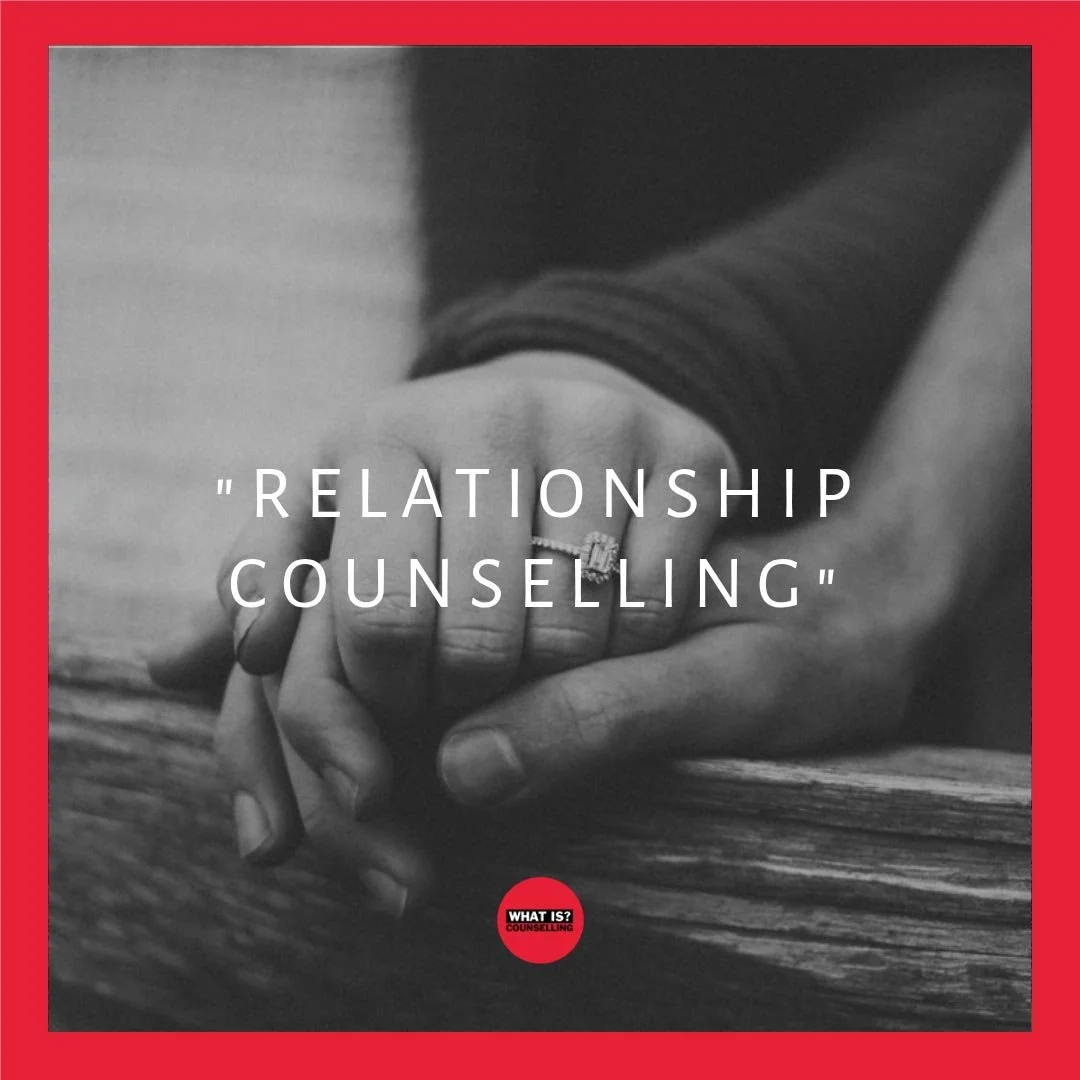
Many people come to counselling because they feel stuck in repeating arguments, emotional distance, trust issues or uncertainty about the future of a relationship. Individual relationship counselling offers a space to understand what's happening and find a way forward.
Struggling With Anger
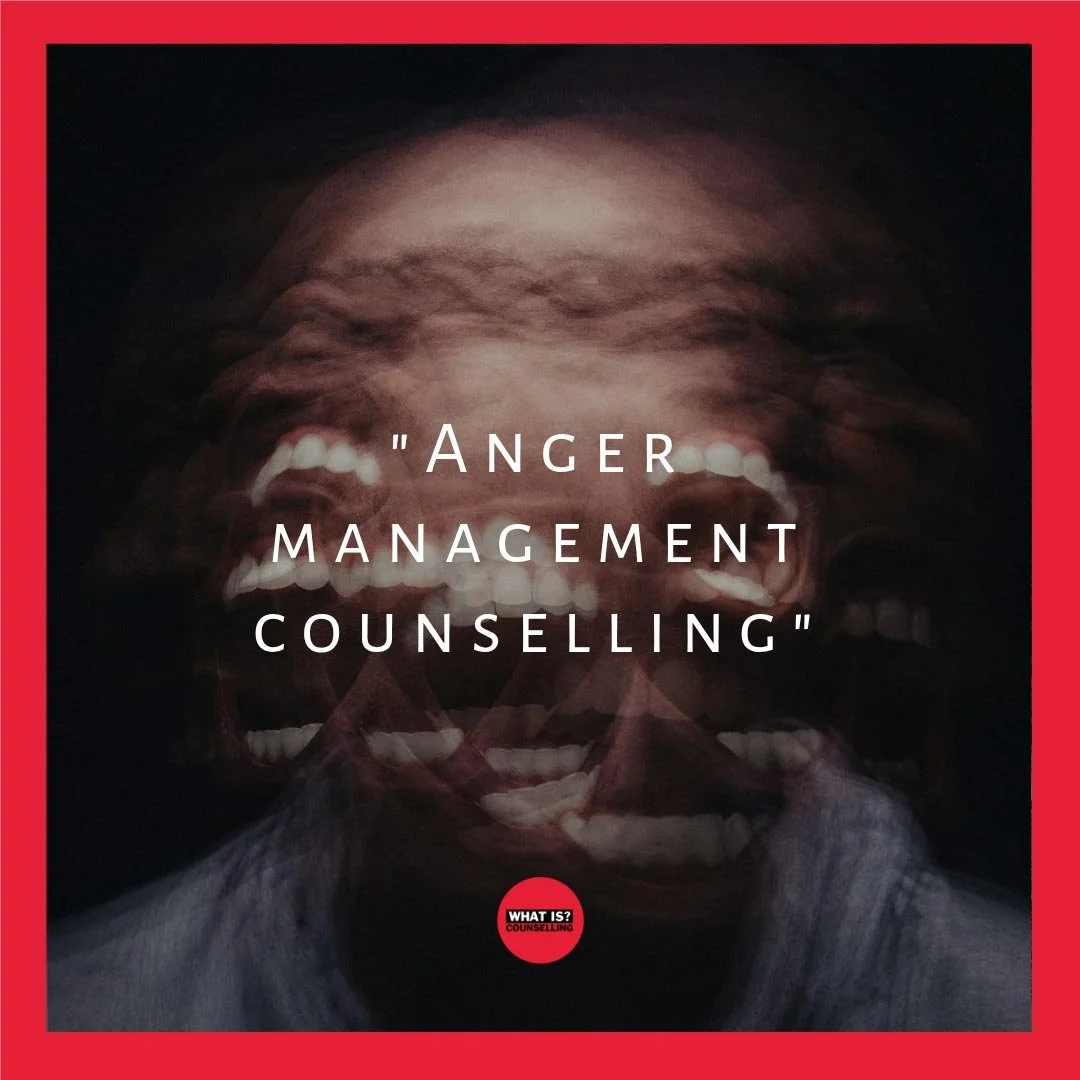
Anger often sits on top of deeper emotions such as stress, frustration, hurt or anxiety. Counselling can help you understand triggers, recognise patterns and respond differently.
Anxiety and Overthinking
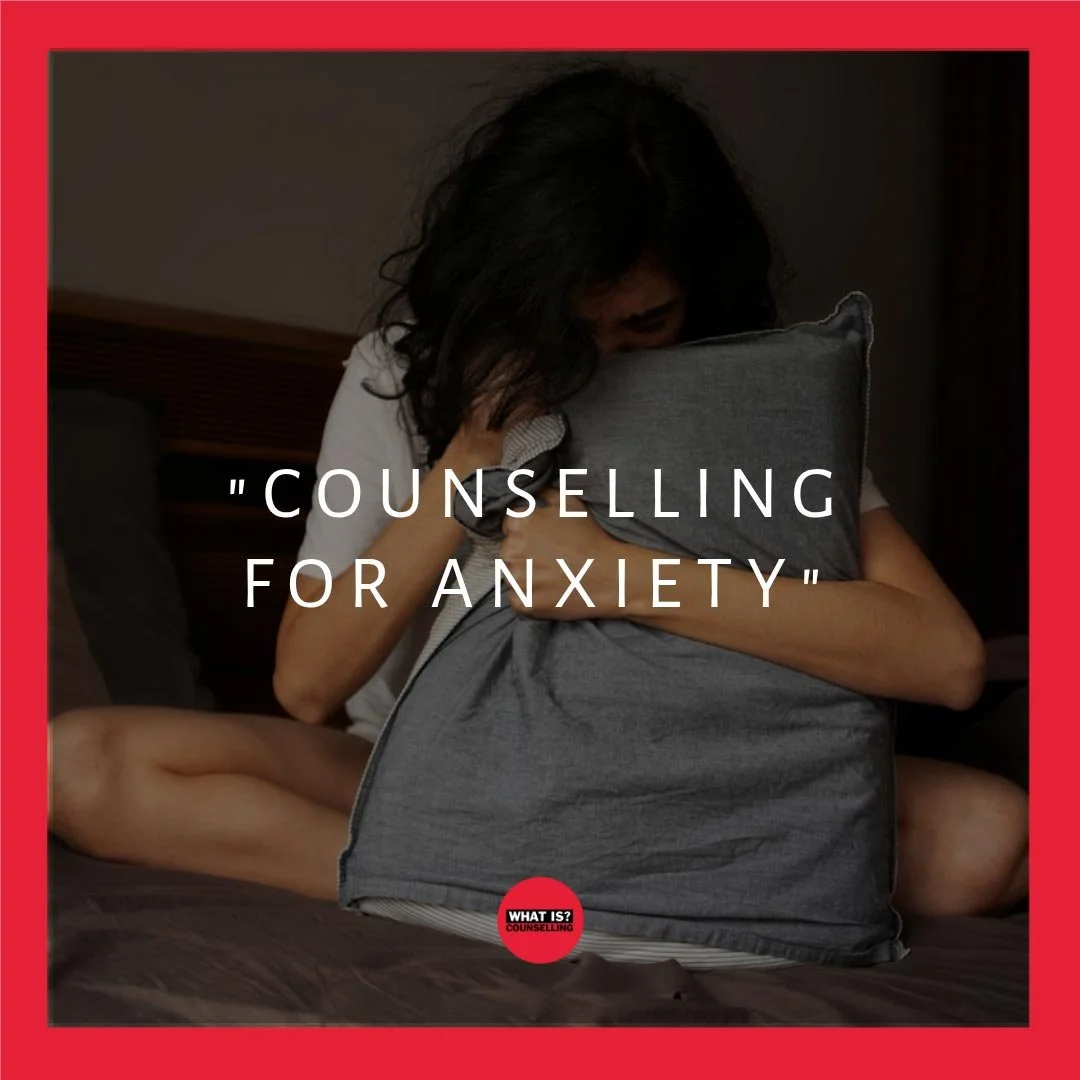
Anxiety can leave you feeling constantly on edge, overwhelmed or trapped in cycles of overthinking. Counselling provides a space to understand what is driving the anxiety and develop healthier ways of coping.
Feeling Low or Stuck
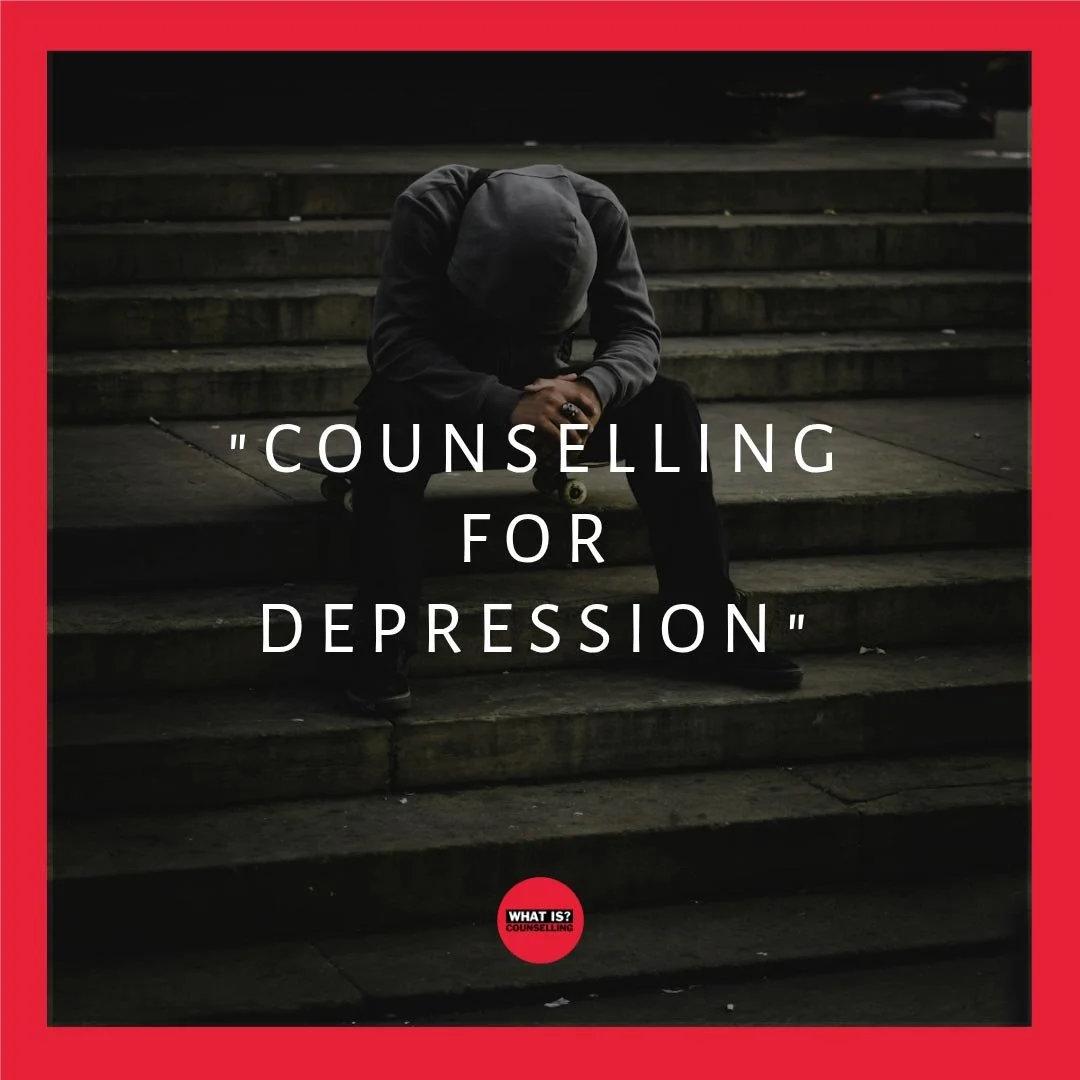
Low mood can leave you feeling drained, disconnected from the people around you, or unable to enjoy things that once mattered. Whether you've been struggling for a long time or have recently noticed a change in yourself, counselling can provide a supportive space to explore what's happening and find a way forward.
Grief and Loss
Loss can leave you feeling overwhelmed, numb, confused or deeply sad. Counselling offers a safe and supportive space to explore your feelings, make sense of your experience and find a way through grief at a pace that feels right for you.
"When someone really hears you without passing judgment on you, without trying to take responsibility for you, without trying to mold you, it feels damn good."
Carl Rogers, founder of Person Centered Counselling
In-Person or Online Counselling Sessions?
There’s a quiet, meaningful difference in sitting across from another person — even before words are spoken. For many adults in Bradford, choosing in-person counselling isn’t just about the therapy itself, but the experience and environment that comes with it.
1. Human Connection Matters
For some, emotional healing thrives on physical presence. When you’re in the same room as your counsellor, subtle human cues — like eye contact, body language, and tone — contribute to a fuller sense of being seen and heard. These nuances can be comforting, grounding and promote trust faster than digital interactions.
2. A Dedicated Space for Reflection
Life in Bradford — whether bustling through Manningham, quiet afternoons in Undercliffe, or village-edge living in Saltaire — can blur the lines between personal and shared spaces. Attending in-person means stepping into an intentional space just for you. That separation can make it easier to focus, reflect and work through emotional challenges without the interruptions of everyday life.
3. Easier Navigation of Sensitive Moments
Some therapeutic breakthroughs unfold in moments that are difficult to articulate via a screen. In-person sessions allow me, as your counsellor, to respond instantly and intuitively — my goal is to help you feel welcomed, and your needs, genuinely cared for.
4. Local Support and Accessibility
Bradford’s diverse communities value relationships rooted in place. Having a counsellor who understands the city and surrounding areas — its culture, challenges, and strengths — can make sessions more relatable. Plus, for those without reliable internet, restricted technology access, or simply who struggle with remote communication, meeting face-to-face removes barriers and ensures access to support.
5. Community and Familiarity
Seeing the same person within familiar surroundings builds a rhythm. It offers continuity that some find hard to cultivate online. Knowing you’ll meet in the same quiet room, greeted by the same calm and peaceful atmosphere, can make the journey toward well-being feel structured and reliable.
6. Reducing Digital Fatigue
So many of us work, socialise, and organise life through screens. Counselling doesn’t need to necessarily add to that digital load. For many of my clients living in Bradford and the surrounding areas, a phone or video session feels just like an extension of work or screen time — not a therapeutic retreat. In-person counselling interrupts that pattern and gives the mind permission to rest.
At its heart, choosing in-person counselling is about comfort, presence, and connection. For those in Bradford seeking real-world, embodied support — where every nuance of expression is honoured — there’s something deeply reassuring about sharing space with a counsellor who is there, in the room, with you.

In a world that moves faster every day, emotional support needs to be flexible, accessible and tailored to your reality. Online counselling for adults has rapidly become a trusted choice across West Yorkshire and the UK — not just as an alternative, but as the preferred way for many to explore their mental health and wellbeing.
1. Therapy That Travels With You
Whether you’re in a busy Leeds suburb, a quiet village near Skipton, a commuter in Huddersfield, or anywhere across the UK, online counselling removes the need to travel. For those juggling work, family or transport barriers, logging into a session from home, a lunch break, or even while travelling means support fits into life, not around it.
2. Comfort of Your Chosen Environment
There’s something profoundly reassuring about talking from a space that feels safe — your sofa, bedroom, or a quiet corner of your home. For many, this comfort reduces anxiety and allows conversations to arise more naturally. The familiarity of your own environment can make it easier to open up, slow down, and reflect.
3. Increased Accessibility and Choice
Online counselling breaks down geographical boundaries. If you live in a small West Yorkshire town or a rural part of the UK, you’re no longer limited to local therapists. You can choose a counsellor who truly fits your needs — whether that’s specific therapeutic styles, lived experience, gender preference, or cultural understanding — without worrying about distance.
4. Reduced Anxiety and Social Pressure
For some, stepping into a counselling room can feel intimidating. Online counselling removes that initial hurdle. You don’t need to navigate unfamiliar streets, or worry about first impressions. For people with social anxiety, autism, or past trauma, starting therapy in a familiar space can make emotional engagement feel safer and more manageable.
5. Continuity Without Disruption
Life is unpredictable — moving house, changing jobs, illness, or travel can interrupt routines. With online counselling, the therapeutic connection stays constant. You don’t have to switch therapists just because you’ve moved from Bradford to Cornwall, or from Manchester to Newcastle. Your support stays with you.
6. Privacy and Respect for Boundaries
Some people prefer the discretion of online sessions. There’s no chance encounter in public and privacy is maximised. For those who value privacy or fear stigma, online counselling lets them engage discreetly from a setting they control.
7. Tech That Enhances, Not Distracts
We live in a digital age — and for many, digital interaction feels natural. Platforms are secure, confidential, and easy to use. Having support through video, phone, or instant messaging can feel empowering rather than alienating, especially for younger people or those who already work online.
At its heart, online counselling is about access, comfort, and control. It recognizes that healing doesn’t have to happen in a specific place — it happens where you feel safe, supported, and heard. For many in West Yorkshire and across the UK, that’s exactly where they are.
"Have patience with everything unresolved and try to love the questions themselves."
Hermen Hesse quoted by Irvin Yalom (existential psychotherapist)
Therapies I offer In-person and Online

I graduated with a Distinction in Integrative Counselling and Psychotherapy and work in a person-centred, integrative way. This means I place the relationship between us at the heart of our work and believe that you are the expert in your own life.
Counselling isn't about giving advice or telling you what to do. Instead, I offer a safe, supportive and non-judgemental space where you can explore your thoughts, feelings and experiences at your own pace.
While the foundation of my work is person-centred, my integrative training allows me to draw on a range of therapeutic perspectives to support your individual needs. Whether you're struggling with anxiety, relationship difficulties, anger, grief or feeling stuck, sessions are shaped around what feels most important to you.
If you're unsure whether counselling is right for you, I offer a free introductory call to help you decide.
What Clients Have Said…

"It's often what we already know, but simply can't see, that releases us!"
- James
Common questions I help my Therapy Clients with…
-
Private Counsellor fees in the UK vary quite a bit from one practitioner to another and from one location to another. Counseling in Bradford and the surrounding areas can vary from £50 per session to £75 per session. Some Counsellors offer 50 minute sessions whilst other Counsellors like myself offer the full hour. The charge per hour can be higher or lower depending on experience, location and concessions offered.
-
In the UK, the terms “Counsellor” and “Therapist” are often used interchangeably — and both describe trained professionals who offer talking therapy in a safe, confidential space.
That said, there can be some subtle differences:
Counsellor – Often associated with short- to medium-term work, focusing on specific issues such as anxiety, relationship difficulties, grief or anger. Counselling is typically present-focused and supports clients in understanding and working through current challenges.
Therapist – A broader term that can include counsellors, psychotherapists and other mental health professionals. Some therapists (particularly psychotherapists) may work longer-term and explore deeper, long-standing patterns rooted in past experiences.
Importantly, in the UK both counsellors and therapists can be equally qualified and professionally registered. What matters most is not the title, but:
Their training and accreditation
Their experience
The therapeutic approach they use
Whether you feel safe and understood working with them
Ultimately, the right professional is the one you feel comfortable opening up to, regardless of whether they call themselves a counsellor or therapist.
-
Whether counselling is “worth it” is a personal decision — but for many people, it becomes one of the most valuable investments they make in themselves.
When you pay for private counselling, you’re not just paying for an hour of conversation. You’re investing in:
A confidential, dedicated space focused entirely on you
Consistent support without long waiting lists
Professional training and ethical standards
Time to explore patterns, emotions and relationships in depth
Many people find that counselling helps them feel clearer, calmer and more self-aware. It can improve relationships, reduce anxiety, build confidence and support better decision-making. Over time, those changes often ripple into work, family life and overall wellbeing.
Of course, counselling isn’t a quick fix — it’s a process. Its value often becomes clearer as trust builds and deeper understanding develops.
Ultimately, the real question isn’t just the financial cost, but the cost of not addressing something that continues to affect your quality of life. For many, having a regular space to be heard without judgement proves to be deeply worthwhile.
-
In most cases, a counselling session lasts 50–60 minutes — and for many people, that can be enough time to explore something meaningful each week.
One hour often allows space to:
Settle into the conversation
Explore what feels most important
Reflect and gain insight
Leave with a clearer sense of direction
That said, whether one hour is “enough” depends on the person and what they’re bringing. Some people find weekly one-hour sessions provide steady, manageable progress. Others — particularly during times of crisis or intense emotion — may benefit from more frequent sessions, at least for a short period.
Therapy isn’t usually about solving everything in a single hour. It’s about creating a consistent space where understanding builds over time. The real depth comes from the relationship and the ongoing process, not just the length of one session.
If you’re unsure, it’s always okay to talk with your counsellor about pacing and frequency — therapy works best when it’s shaped around your needs.
-
Overthinking can leave you feeling mentally exhausted, constantly replaying conversations, worrying about the future, or analysing situations long after they’ve passed. Often, this happens when the mind is trying to anticipate problems, avoid uncertainty or protect you from emotional discomfort. Counselling can help you better understand the fears, pressures or patterns beneath the overthinking, allowing you to feel calmer, more grounded and less overwhelmed by your thoughts.
-
Many people appear to be coping outwardly while internally feeling overwhelmed, disconnected or emotionally drained. Constant pressure, anxiety, stress or carrying too much for too long can gradually leave you feeling exhausted beneath the surface. Counselling offers a supportive space to slow down, explore what may be contributing to those feelings, and reconnect with your emotional needs and wellbeing more openly.
-
Many people consider counselling when they feel stuck, overwhelmed or caught in patterns they would like to change. You do not need to be in crisis to benefit from counselling. Therapy can provide a space to explore difficult emotions, relationships, life changes and personal challenges in a supportive and confidential environment.
-
The first session is an opportunity for us to get to know each other and explore what has brought you to counselling. There is no pressure to share everything straight away. We will discuss what you would like support with, answer any questions you may have, and begin to think about how we can work together.
-
No. Some people come to counselling with a clear issue they want to address, while others simply know that something does not feel right. Counselling can help you make sense of your thoughts, feelings and experiences, even if you are not sure where to begin.
-
There is no fixed number of sessions. Some people find a handful of sessions helpful, while others choose to work together for longer. We can regularly review how things are going and decide what feels most beneficial for you.
-
Confidentiality is a fundamental part of counselling. What you share in sessions remains private, with a few important exceptions relating to safety and legal responsibilities, which will be explained at the start of our work together.
-
Yes. Alongside in-person counselling in Bradford, Bingley and Halifax, I also offer online sessions across the UK. Online counselling can be a flexible and effective option if travelling to appointments is difficult or if you prefer to access support from home.
-
I work with adults experiencing a wide range of difficulties, including relationship problems, anger, anxiety, depression, grief, low self-esteem, stress, life transitions and feelings of being stuck or overwhelmed.
Helpful Articles
Choosing a counsellor and deciding whether therapy is right for you can feel like a big step. If you'd like to learn more before getting in touch, you may find these articles helpful. They explore some of the questions and challenges people commonly face, from relationship difficulties and anxiety to understanding what counselling is really like.
How to Know When Your Relationship Is Over: 10 Honest Signs
If you're questioning the future of a relationship, this article explores some of the common signs that people notice when something no longer feels right.
Communication Problems in a Relationship
Many relationship difficulties begin with communication. Learn more about why conversations can become stuck in negative patterns and how counselling may help.
Walking on Eggshells in a Relationship
Do you find yourself carefully choosing your words, avoiding certain topics, or constantly worrying about how your partner might react? Walking on eggshells can leave you feeling anxious, drained and disconnected from yourself over time. This article explores why these patterns develop, how they affect relationships, and what support is available.
A Warm and Professional Approach to Counselling
I'm James Pearson, an accredited counsellor and therapist based in West Yorkshire, offering in-person counselling in Bradford, Bingley, Halifax and Sowerby Bridge, as well as online counselling across the UK.
I hold a Distinction in Integrative Counselling and Psychotherapy from Lancaster University and am a member of both the British Association for Counselling and Psychotherapy (BACP) and the National Counselling and Psychotherapy Society (NCPS).
Whether you're struggling with relationship difficulties, anger, anxiety, depression, grief or another personal challenge, I aim to provide a safe, supportive and non-judgemental space where you can explore what is happening and find a way forward.
If you'd like to learn more, you're welcome to arrange a free introductory call with no obligation.

Interested in Private Counselling?
Let's Talk…
James Pearson
Accredited Counsellor |
What Is Counselling
Foster Park View
Denholme
Bradford
West Yorkshire
BD13 4BQ
Call / Text me:
07783772108
Email Me:
james@whatiscounselling.com



About the author of this page
This article was written by James Pearson, an Accredited Member of the National Counselling and Psychotherapy Society (NCPS) and a member of the British Association for Counselling and Psychotherapy (BACP).
James holds a Distinction in Integrative Counselling and Psychotherapy from Lancaster University and provides relationship counselling and personal therapy for adults in Bradford, Bingley, Halifax, Sowerby Bridge and online across the UK.
His work focuses on supporting people experiencing relationship difficulties, anxiety, anger, depression, grief and other complex life challenges through a safe, confidential and person-centred approach.
What Is? Counselling | James Pearson – Accredited Counsellor in Bradford, Bingley and Halifax