Anger in Relationships: Why We Hurt the People We Love Most
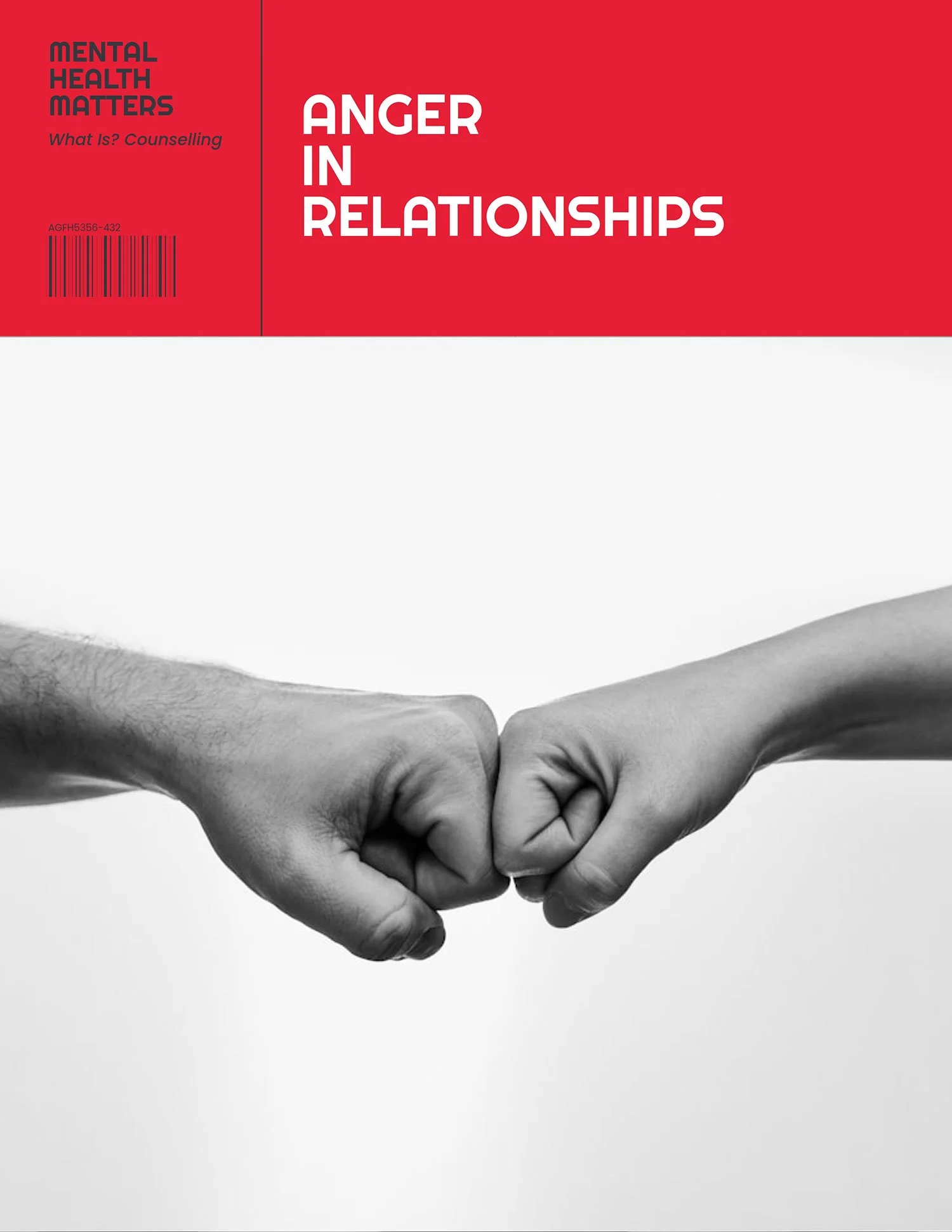
Few things can be more painful than looking back on an argument and wondering how things got so out of control.
You may have promised yourself that this time would be different. You may have sworn you wouldn't raise your voice, become defensive or say something hurtful. Yet somehow the same patterns keep repeating themselves.
For many people, anger is not really about losing control. It is often about feeling overwhelmed, misunderstood, hurt, rejected or disconnected.
When anger becomes part of a relationship, it can leave both people feeling exhausted, distant and unsure how to move forward.
The good news is that anger patterns can be understood and changed. Counselling can help you make sense of what is happening underneath the arguments so that you can respond differently.
You can learn more about Counselling for Anger here.
What Continues to Stand Out to Me About Anger in Relationships
What continues to stand out to me when supporting people experiencing anger in their relationships is that the arguments themselves are rarely what causes the greatest pain. More often, it's what happens between the arguments that leaves the deepest impact. People describe feeling unheard, walking on eggshells, withdrawing from one another or wondering why conversations that once felt easy now seem to end in frustration.
I've come to appreciate that anger in a relationship is often trying to draw attention to something that hasn't yet found another way to be expressed. That might be hurt, disappointment, fear, feeling unimportant or carrying too much responsibility for too long. Exploring those experiences doesn't excuse hurtful behaviour, but it can help make sense of why certain patterns continue to repeat.
One of the most rewarding aspects of my work is seeing people become less focused on winning disagreements and more interested in understanding what sits underneath them. Whether that leads to repairing the relationship or making difficult decisions about its future, having a clearer understanding of what's happening can be an important first step.
Why Do We Often Get Angriest With The People We Love?
Many people notice that they are patient and calm with colleagues, friends and even strangers, yet become frustrated much more quickly with their partner or family.
This can feel confusing and even shameful.
The reason is often that our closest relationships carry the greatest emotional significance. The people we love matter deeply to us. Their words, actions and reactions can affect us in ways that casual relationships never do.
When we feel criticised, ignored, rejected or misunderstood by somebody important to us, the emotional impact can be much stronger.
Anger can become a way of protecting ourselves from feelings that are more vulnerable underneath.
For many couples, anger doesn't begin with shouting or major arguments. It often starts with smaller patterns that gradually create distance between two people. Conversations become more defensive, misunderstandings happen more frequently, and both partners can feel as though they are no longer truly hearing one another. If this sounds familiar, you may find it helpful to read more about the common signs of communication problems in a relationship and how these patterns can affect emotional connection over time.
A pattern I see quite often is that couples believe they're arguing about the same issue again and again, when underneath they're trying to express something much deeper that still hasn't been heard.
What Anger Can Look Like In A Relationship
Relationship anger is not always obvious.
For some people it involves shouting, raised voices or explosive arguments.
For others it can appear in more subtle ways, including:
Snapping over small things
Becoming defensive during conversations
Withdrawing emotionally
Giving the silent treatment
Holding grudges
Feeling constantly irritated
Criticising a partner frequently
Feeling resentful for long periods
Over time these patterns can slowly erode trust and emotional connection.
Sometimes the real difficulty is not the relationship itself, but understanding why certain situations trigger such strong emotional reactions. If you often find yourself becoming frustrated, irritated or angry more quickly than you would like, it may be helpful to explore why you get angry so easily and what may be driving these reactions.
Even when both people care deeply about one another, repeated conflict can create distance.
Many people describe the frustration of repeating themselves, only to feel that the real issue has never quite been understood.
Over time, these patterns can create an environment where one or both partners begin to feel anxious about saying the wrong thing or triggering another argument. Some people describe feeling as though they are constantly walking on eggshells in their relationship, carefully choosing their words to avoid conflict. While this may reduce tension in the short term, it often leads to greater emotional distance and resentment over time.
Why Do The Same Arguments Keep Happening?
One of the most common experiences in counselling is hearing somebody say:
"We keep having exactly the same argument."
While the topic may change, the emotional pattern underneath often remains the same.
Perhaps one person wants more closeness while the other pulls away.
Maybe one partner feels unheard while the other feels criticised.
Sometimes arguments become less about the issue itself and more about the feelings triggered by the discussion.
When these patterns are not understood, couples can find themselves going around in circles for months or even years.
Understanding the cycle is often the first step towards changing it.
What Is Underneath Relationship Anger?
Although anger feels powerful, it is often covering something much more vulnerable.
Beneath anger there may be:
Hurt
Fear
Rejection
Shame
Loneliness
Anxiety
Disappointment
Feeling unimportant
Many people learn from an early age that anger feels safer than expressing vulnerability.
It can feel easier to become frustrated than to admit that we feel hurt.
Unfortunately, when vulnerability is hidden behind anger, our partners often only see the anger itself.
This can create further misunderstanding and conflict.
Rather than seeing anger as something to eliminate, many people find it helpful to become curious about what it might be trying to communicate.
The Impact Anger Can Have On A Relationship
Persistent anger can affect almost every area of a relationship.
Over time it may lead to:
Reduced trust
Emotional distance
Less communication
Walking on eggshells
Reduced intimacy
Increased resentment
Feelings of hopelessness
Thoughts about separation
Not every relationship affected by anger is unhealthy or beyond repair.
However, unresolved anger rarely improves on its own.
The longer patterns continue, the more entrenched they can become.
If anger and repeated conflict are beginning to affect trust, communication or emotional connection, you may find it helpful to learn more about my approach to relationship counselling. Relationship difficulties are often about much more than the arguments themselves, and counselling can provide a space to better understand the patterns that keep pulling you and your partner apart.
How Counselling Can Help With Anger In Relationships
Counselling provides a space to step back from the heat of conflict and understand what is really happening.
Rather than simply focusing on controlling anger, therapy can help you explore:
What triggers your anger
What feelings exist underneath it
Why certain situations affect you so strongly
How past experiences may influence current reactions
Healthier ways of expressing difficult emotions
As understanding grows, many people find they become less reactive and more able to respond thoughtfully in challenging situations.
The goal is not to remove anger completely.
Anger is a normal human emotion.
The aim is to develop a healthier relationship with it.
People often arrive wondering how they can stop arguing. As we explore things together, the conversation frequently shifts towards understanding why those arguments keep happening in the first place.
Can Anger In A Relationship Be Fixed?
Every relationship is different.
Some relationships recover and become stronger after difficult periods of conflict.
Others reveal deeper incompatibilities that need honest attention.
What matters most is understanding the pattern rather than simply blaming yourself or the other person.
When people begin to recognise what drives their reactions, meaningful change often becomes possible.
Even small shifts in awareness can have a significant impact on how relationships feel day to day.
Very few people come to counselling because they want to argue less. Most come because they want to feel closer, safer and better understood by the person they love.
When To Seek Help
You may benefit from support if:
Arguments regularly escalate
You frequently say things you regret
Your partner walks on eggshells around you
Anger is affecting your wellbeing
You feel stuck in repetitive conflict
You worry about damaging important relationships
You feel out of control during disagreements
Seeking support is not a sign of failure.
It is often a sign that you care enough about yourself and your relationships to do something different.
Counselling for Anger in Relationships in Bradford, Bingley, Halifax & Online
I offer in-person and online counselling for individuals struggling with anger in relationships across Bradford, Bingley, Keighley and Halifax, as well as surrounding areas including Thornton, Queensbury, Baildon and Sowerby Bridge.
When anger becomes part of a relationship, it can leave you feeling frustrated, guilty, misunderstood or stuck in the same arguments time and time again. You may find yourself snapping at the people you care about most, saying things you later regret, or feeling as though small disagreements quickly escalate into much bigger conflicts. Counselling provides a safe, supportive and non-judgemental space to explore what may be happening beneath these reactions and to develop healthier ways of understanding and expressing difficult emotions.
Together, we can look at the patterns that keep repeating, explore the triggers behind your anger, and gain a deeper understanding of the feelings and experiences that may be driving them. As awareness grows, many people find they become less reactive, communicate more effectively and feel more in control during challenging situations.
If travelling to appointments is difficult or your schedule is busy, I also offer online counselling throughout the UK. Sessions can take place entirely online or through a flexible combination of online and face-to-face appointments, allowing you to access support in a way that works best for you.
For those who prefer in-person counselling, I offer free off-street parking in a discreet and comfortable setting with beautiful views, providing a calm and confidential space where you can talk openly about the challenges you're facing and begin making meaningful changes in your relationships.
Counselling for Anger in Relationships in Bingley
Counselling for Anger in Relationships in Bradford
Counselling for Anger in Relationships in Halifax
Frequently Asked Questions about Anger in Relationships
-
Anger often develops when deeper feelings such as hurt, rejection or frustration remain unspoken. Because relationships matter so much to us, emotional reactions can feel stronger than they do elsewhere in life.
-
Yes. Anger is a normal emotion. Problems tend to arise when anger becomes frequent, overwhelming or damaging to communication and trust.
-
Yes. Counselling can help you understand triggers, identify patterns and develop healthier ways of expressing difficult emotions.
-
No. Anger itself does not make somebody bad. What matters is understanding the emotion and learning healthier ways of responding to it.
-
Many people experience guilt after becoming angry. Counselling can help explore what happened, why it happened and how to break recurring cycles of conflict.
When Anger in a Relationship Becomes Too Difficult To Solve Alone
When anger becomes a recurring part of your relationships, it can leave you feeling frustrated, guilty, misunderstood and stuck in patterns that seem to repeat no matter how hard you try to change them. You may find yourself snapping at the people you care about most, becoming defensive during disagreements, or saying things in the heat of the moment that you later wish you could take back. Over time, these experiences can affect trust, communication and emotional closeness, leaving both people feeling hurt and disconnected.
Counselling provides a safe, supportive and non-judgemental space to explore what may be happening beneath the anger. Together, we can look at the triggers, emotions and relationship patterns that contribute to conflict, helping you gain a deeper understanding of your reactions and develop healthier ways of responding. As awareness grows, many people find they become less reactive, communicate more effectively and feel more able to navigate difficult conversations without becoming overwhelmed by anger.
Further Reading
If you'd like to explore some of the issues discussed in this article in more depth, the following pages may be helpful:
Anger Counselling – Learn more about how counselling can help you understand anger, identify triggers and develop healthier ways of responding to difficult emotions.
Why Am I So Angry All The Time? – Explore some of the common reasons anger can feel overwhelming, persistent or difficult to control.
Communication Problems in a Relationship – Discover how communication patterns can contribute to conflict, misunderstandings and emotional distance.
Walking on Eggshells in a Relationship – Understand why some relationships can leave people feeling anxious, cautious or afraid of triggering conflict.
How to Know When Your Relationship Is Over: 10 Honest Signs – Learn about some of the signs that a relationship may be under significant strain and when additional support may be helpful.
Relationship Counselling – Find out how individual counselling can help you better understand relationship difficulties, recurring patterns and the impact they may be having on your wellbeing.